
🚀 Getting Started with FPGAs: A Beginner’s Guide
Field-Programmable Gate Arrays (FPGAs) are revolutionizing embedded systems, DSP, and hardware acceleration. Whether you’re a student, hobbyist, or experienced engineer, FPGAs offer powerful flexibility to build custom digital logic.
🔍 What is an FPGA?
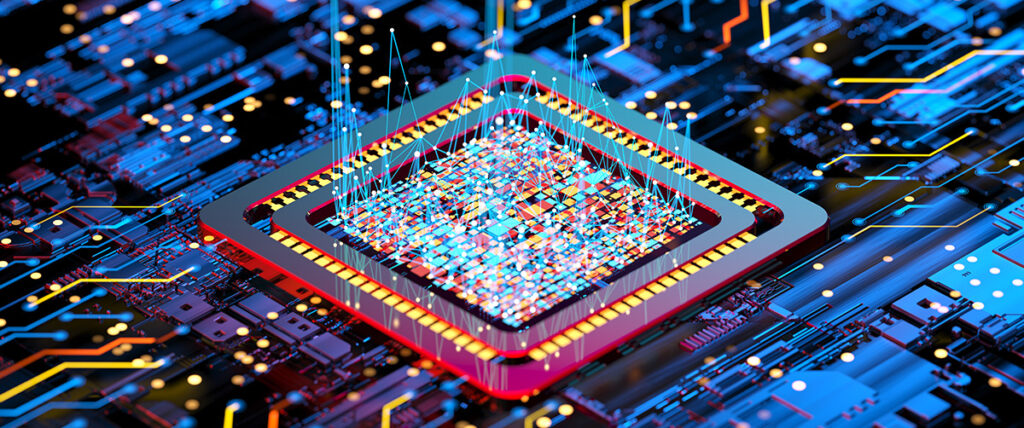
An FPGA is a reconfigurable chip made up of configurable logic blocks (CLBs), programmable interconnects, and I/O pins. Unlike microcontrollers (MCUs) that use firmware, FPGAs are programmed using Hardware Description Languages (HDLs) like Verilog or VHDL.
Common Use Cases:
- Digital Signal Processing (DSP)
- High-Speed Data Processing
- Custom Processor Design
- Industrial & Automotive Systems
- AI/ML Hardware Acceleration
⚙️ FPGA Design Workflow
- Write HDL Code: Use Verilog or VHDL (e.g., a 4-bit adder)
- Simulate: Verify the logic in a simulator
- Synthesize: Convert HDL to a gate-level netlist
- Implement & Route: Map the logic onto the chip
- Generate Bitstream: Create the final .bit file
- Upload: Load to FPGA and observe results
💡 Tips for FPGA Beginners
- 🛠 Start small: Counters, adders, multiplexers
- 🧪 Simulate first: Don’t skip testbenches!
- ⏱ Understand timing: Learn timing constraints
- 🔄 Think synchronous: Avoid glitches from async design
- 📏 Document and organize: Clean code = easy debug
📚 Learn FPGAs with Webicle Solutions
At Webicle Solutions, we offer hands-on, beginner-friendly courses that guide you through real-world FPGA applications.
Our Courses Cover:
- Verilog & VHDL Fundamentals
- Project-Based Learning (UART, ALU, Traffic Light Controller)
- Interview Preparation for VLSI Jobs
🧠 Whether you're building your first adder or designing a custom DSP pipeline, our courses will guide you every step of the way.